Sygale LomasDavid Lyng Real Estate
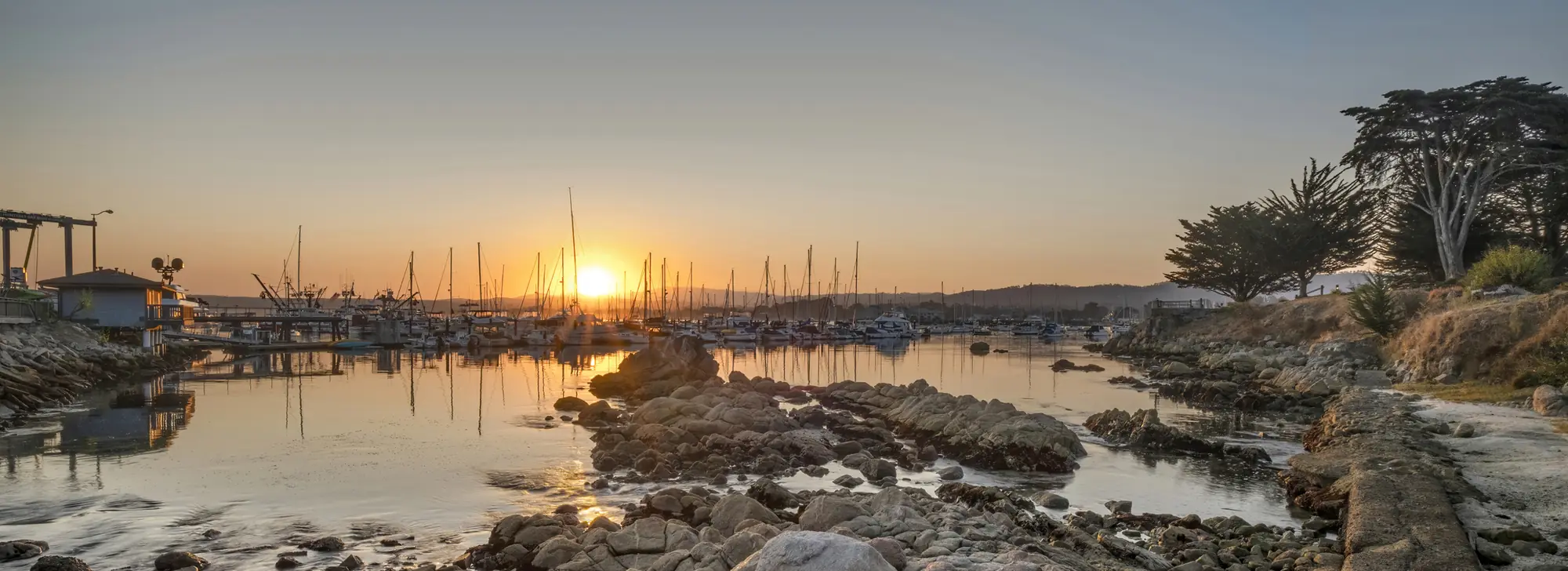
Sunrise over Monterey Bay

Areas Served

Monterey

Monterey Bay at sunrise

The city

The one that is a real city.

Monterey is an incorporated city on the Monterey Peninsula — the largest of the communities Sygale serves, and the one where most people actually live and work year-round.

It has what the smaller coastal towns do not: a hospital, employers, schools, a working waterfront, an airport and a genuine civic life. Its history runs deeper than anywhere else on the Peninsula, and a good deal of that history is still standing.

For buyers it offers something the resort towns struggle to — neighbourhoods at a range of price points, occupied by neighbours who are there in February as well as July.

Before you buy

Four things worth knowing

Monterey rewards buyers who understand that it is several quite different places wearing one name.

01

The neighbourhoods vary enormously

More than anywhere else on the Peninsula, the answer to what Monterey is like depends on which part. Historic blocks downtown, hillside forest, flat streets near the beach and ridge-top estates are all Monterey, and they have little in common beyond the city limits.

02

It is a year-round community

Carmel and Pebble Beach empty and fill with the seasons. Monterey does not. If you want neighbours who are present, schools that matter and shops that serve residents rather than visitors, that difference is the whole argument.

03

Institutions shape the city

Naval and language-school communities, a working harbour and a substantial visitor economy all influence the rental market, the traffic and the rhythm of the year. Worth understanding before you buy near any of them.

04

More attainable, and that is the point

Prices span a far wider range here than in the coastal villages. For many buyers Monterey is how you get onto the Peninsula at all — and some of its neighbourhoods are quietly among the best value on this coast.

Where to look

The city, neighbourhood by neighbourhood

Elevation, distance from the water and the age of the housing stock are what separate one part of Monterey from the next.

Historic

Old Town

The oldest part of the city, where adobes and early California history sit among the streets. Character you cannot build, with the restrictions that often accompany it.

Walkable

New Monterey

The dense blocks above Cannery Row. Close to the waterfront and the aquarium, walkable, varied, and generally more attainable than the hill neighbourhoods.

Wooded hills

Skyline Forest

Up in the pines above the city, quieter and greener, with cooler air and a more suburban feel. Popular with families who want space without leaving town.

Flat and close

Near Del Monte Beach

The flatter streets toward the shoreline and the bike path. Easy walking, sand nearby, and a different climate from the hills behind.

Elevated

The ridge and gated enclaves

Higher ground to the east with long views, larger parcels and a more private character. A distinct market from the city proper.

In between

Toward the Presidio

The slopes near the military and institutional land, mixing older homes with newer, and offering short runs into both downtown and the highway.

These are conventions of local usage rather than official boundaries, and conditions can change within a short distance.

Living here

Why buyers choose Monterey

A city that works. The hospital, the jobs, the schools, the harbour, the airport — the practical infrastructure that the villages nearby quietly rely on Monterey to provide.

It is less picture-postcard than Carmel and considerably less expensive, and for a great many people that is precisely the appeal: somewhere to live rather than somewhere to visit.

Setting
Incorporated city on Monterey Bay
Character
Year-round, varied, historic
Range
The widest price spread on the Peninsula
Nearby
Pacific Grove, Carmel, the Highway 1 corridor

Questions buyers ask

About buying in Monterey

How is Monterey different from Carmel?

Monterey is a working city; Carmel is a village with a very large visitor population. Monterey has the hospital, the employers, the schools, the harbour and the airport.

It is also considerably more attainable, and its neighbourhoods are occupied year-round rather than seasonally. Buyers who want a community rather than a retreat usually end up here.

Is Monterey more affordable than the coastal villages?

Generally yes, and the range is far wider. Monterey spans everything from modest older homes to substantial ridge-top properties, where Carmel and Pebble Beach occupy narrower and higher bands.

For many buyers it is simply how you get onto the Peninsula. Some of its neighbourhoods are among the better value on this coast.

Which neighbourhood should I be looking at?

That depends more on how you want to live than on budget alone. The hills are cooler, greener and quieter; the flats near the shore are walkable and sunnier; the historic blocks downtown offer character with constraints.

The differences within Monterey are larger than the differences between some neighbouring towns, which is exactly why local guidance matters here.

Does the military presence affect the housing market?

The naval and language-school communities are a long-standing part of the city, and they influence the rental market and the rhythm of the year in particular neighbourhoods.

For most buyers it is simply part of what makes Monterey a real year-round city. If you are buying near institutional land, it is worth understanding specifically.

Is it foggy like Carmel?

Monterey gets the marine layer, but the city climbs from the water into hills, and the weather at the top is often quite different from the weather at the bottom.

As everywhere on this coast, visit a specific property at different times of day before assuming you know its climate.

Monterey

Looking at Monterey?

Monterey is several markets wearing one name, and choosing the wrong neighbourhood is the most common mistake buyers make here. Sygale will help you choose well.